
There’s a moment that most freelancers will recognise.
You’re working from home – probably your kitchen table, maybe your spare room – and something comes up. A client is being difficult and you’re not sure how to handle it. A contract looks off but you can’t tell if you’re being paranoid. You’re thinking about raising your rates but you’ve been thinking about it for four months and you still haven’t done it.
And you realise there’s nobody to ask.
Not really. Not someone who understands the context. Not someone who gets what it’s actually like to be making every decision alone.
I had that moment more than once.
How I ended up freelancing
I went freelance in 2018 after one too many in-house roles that left me bored, frustrated and going nowhere. The appeal was independence, flexibility, and, if I’m honest, a lot of digital nomad content that made it look effortless. Spoiler: nobody on those beaches was talking about chasing invoices or sorting out their self assessment.
What I didn’t fully anticipate was how isolated it could feel.
Not immediately. At first, the freedom was everything. Setting my own hours, choosing my own clients, not having to sit through meetings that could’ve been emails. For a while, that felt like enough.
But somewhere around year 5, I started to notice what was missing.
The gap nobody talked about
I was a PPC & LinkedIn Ads freelancer. I understood my craft. I was good at it. What I struggled with was everything around it – the business stuff that nobody teaches you.
How do you know when to walk away from a client? How much should you be earning by now? Is it normal to feel like this in January? What do you put in a contract? When someone asks for a discount, what do you actually say?
These aren’t questions you can easily Google. They’re questions that need a person – someone who’s been there, who understands your specific situation, who can say “yes, that client is being unreasonable, here’s what I’d do.”
I went looking for a community of freelancers. Somewhere in the North East where I could have those conversations.
I found networking groups but they weren’t built for people like me. They were built for businesses, for people with growth plans and teams and premises. Walking into those rooms as a sole trader felt like showing up to the wrong party.
I found business support programmes but they were aimed at start-ups wanting to scale, not freelancers wanting to build something sustainable and sane.
I found some online communities but they were based in London, or across the US, and the advice came loaded with assumptions about a market and a cost of living that had nothing to do with my reality in Gateshead.
I couldn’t find anything built specifically for freelancers in the North East.
So I built it
After a lot of fruitless searching I was frustrated and I thought that if I needed this, other people probably did too.
The scrappiest version of the North East Freelance Network was going to be a Google spreadsheet. I wanted to build a referral network of trusted freelancers based in the North East – because clients often want to work with people in the same region, whether that’s supporting local talent or keeping money in the local economy.
Then one day I got carried away, bought a domain, and built an online directory, somewhere freelancers could list their profiles and find each other for referrals, but also somewhere clients could find local freelancers to work with directly.
And then I started thinking bigger. Events. Community. A proper membership where freelancers could support each other, share knowledge, and build sustainable careers — not just survive, but actually thrive doing this.
What started as a spreadsheet became something I hadn’t quite planned for.
The early days were just me figuring it out as I went. I was still working as a freelancer alongside it. I didn’t know if anyone would come or if what I was building was the right thing.
What I did know was that the conversations we were having, even in those early sessions, were the conversations I’d been wanting to have for years. Honest ones about money, and difficult clients, and imposter syndrome, and the feast-and-famine cycle, and whether you were doing it right. Real talk from people who were living the same thing.
That told me we were onto something.
What NEFN has become
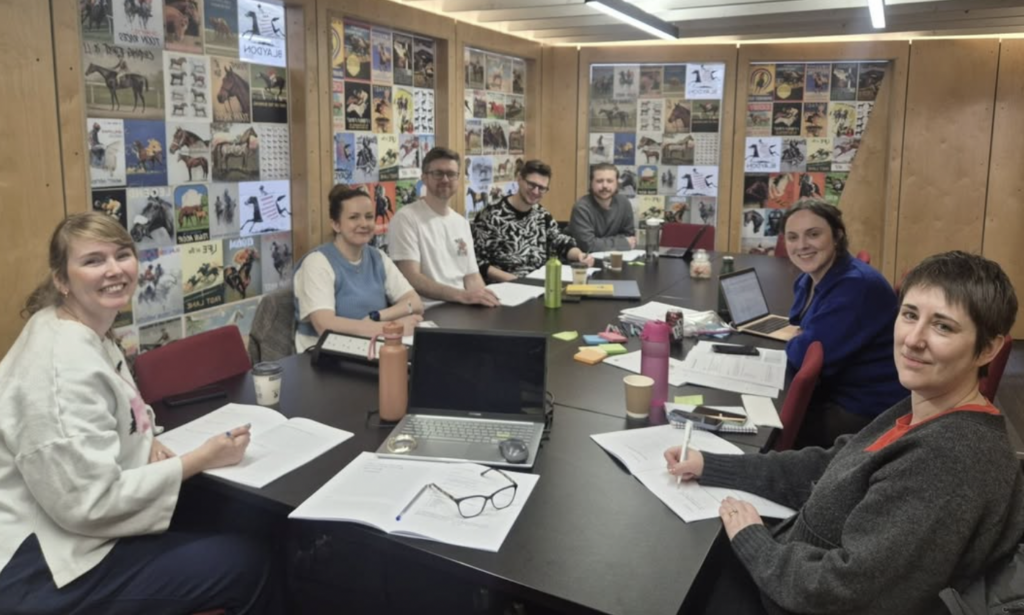
Members get together monthly for in-person coworking. Every month for Lunch & learns — hour-long sessions where members share what’s actually working for them, or we work on our businesses together, or an expert comes in and drops some knowledge.
We have a Slack channel where people ask the questions they’d never ask a client, share their wins, vent about the hard weeks, and recommend each other for work. And on the first Monday of every month, we run a business planning session to set priorities for the month ahead.
What strikes me most, when I step back and look at it, is that it works because of the members. The value of NEFN is the people in it – the willingness to be honest with each other, to share advice without ego, to celebrate each other’s wins.
Why I’m still a freelancer
I didn’t build NEFN and step back from freelancing. I’m still a PPC freelancer. I still sometimes take on a project and immediately know I shouldn’t have or sit at my desk wondering if I’m doing this right.
The difference is that now I have a room full of people who understand that and who I can ask.
That’s what NEFN is. It’s not a programme. It’s not a course. It’s not another networking group where you swap business cards and never speak again.
It’s the community I went looking for and couldn’t find. And I built it so that the next person looking wouldn’t have to build their own.
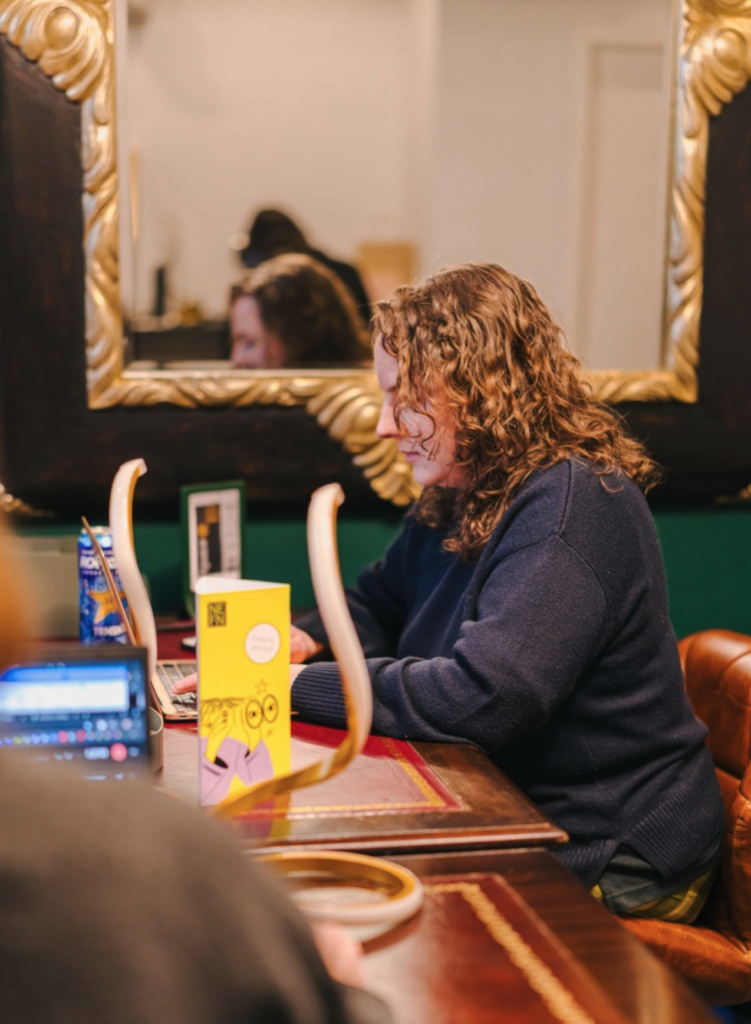
If you’re a freelancer in the North East and any of this sounds familiar, we’d love to have you.
Membership is £19.99/month, rolling monthly, cancel anytime, or £199.90 for the year. You can find out everything that’s included at northeastfreelancenetwork.co.uk/become-a-member.
Jade Gillham Founder, North East Freelance Network & PPC & LinkedIn Ads Freelancer, Gateshead